Discover Nut-Based Meat Alternatives
Revolutionizing Diabetes Management with Nutty Meat
Explore the transformative power of nut-based meat-free options in enhancing diabetes care and overall health.

The Benefits of Nut-Based Alternatives
Enhancing Diabetes Management with Nutty Innovations
The Impact of Tree Nuts on Diabetes
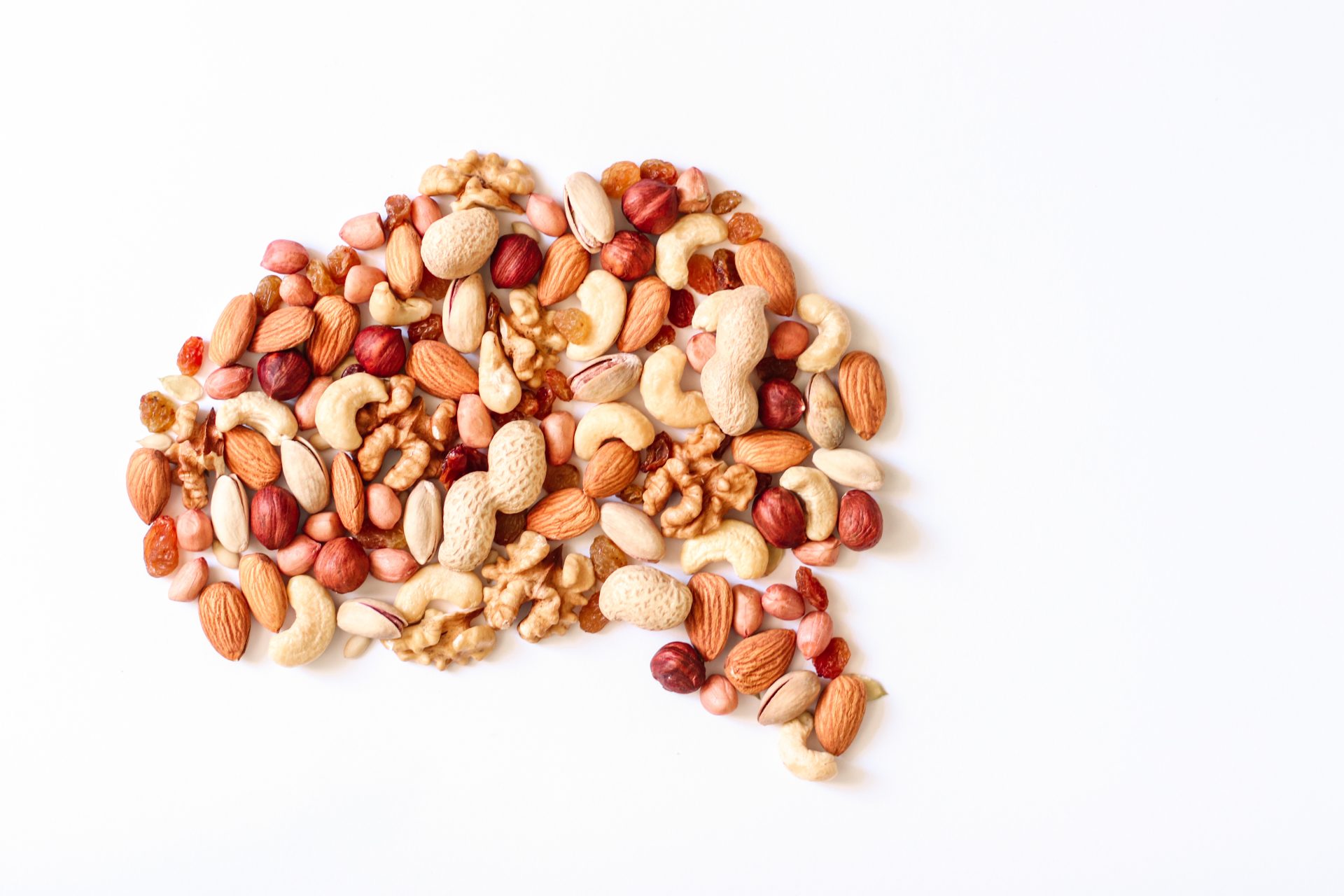
Incorporating dried nut-based meat alternatives into the diet offers numerous advantages for individuals managing diabetes. These alternatives are rich in essential nutrients, providing healthy fats and proteins that help stabilize blood sugar levels. Their high fiber content aids in digestion and can improve insulin sensitivity, making them an excellent choice for maintaining balanced glucose levels. Additionally, these nut-based products are satiating, which can help control appetite and support weight management, a crucial factor in diabetes care.
A comprehensive review and meta-analysis of clinical trials have demonstrated that tree nuts significantly improve glycemic control in individuals with type 2 diabetes. The studies revealed that regular consumption of nuts can lead to reductions in blood glucose and HbA1c levels, underscoring their role as a beneficial component of a diabetes-friendly diet. These findings emphasize the importance of including nuts in dietary strategies aimed at managing diabetes effectively, highlighting their potential to enhance overall metabolic health.
Knowledge Exchange Forum
In the 2023 study by Papadopoulou et al., titled "What Makes Farmers Aware in Adopting Circular Bioeconomy Practices?", the authors investigate the factors that influence farmers’ awareness and adoption of circular bioeconomy (CBE) practices in a rural region of Greece.
Using survey data and statistical analysis, the study identifies key drivers such as environmental attitudes, economic incentives, educational background, and access to information.
It highlights the importance of knowledge transfer, policy support, and farmer engagement to promote sustainable agricultural practices that align with the principles of the circular bioeconomy.
The findings emphasize that fostering awareness and understanding of CBE practices among farmers is essential for the successful implementation of sustainable agricultural models. Environmental consciousness, combined with the availability of financial incentives and educational resources, plays a significant role in motivating farmers to adopt CBE practices.
The study concludes that targeted policies and extension services are critical for enhancing farmer awareness and supporting the transition to a more sustainable agricultural system in rural Greece.
Papadopoulou, C.-I., Loizou, E., Chatzitheodoridis, F., Michailidis, A., Karelakis, C., Fallas, Y., & Paltaki, A. (2023). What Makes Farmers Aware in Adopting Circular Bioeconomy Practices? Evidence from a Greek Rural Region. Land, 12(4), 809.
Research Study
In the study by Pendrill et al. (2019), titled "Agricultural and forestry trade drives large share of tropical deforestation emissions," the authors analyze the role of agricultural and forestry products in driving emissions linked to tropical deforestation.
They quantify the contribution of global trade to deforestation and highlight that specific commodities, like palm oil, soy, and timber, significantly contribute to greenhouse gas emissions.
The research underscores the importance of sustainable trade practices and policies to mitigate the environmental impact of agriculture and forestry on tropical ecosystems.
This study emphasizes the need for international cooperation and policy measures to reduce deforestation-related emissions and promote sustainable land-use practices.
Pendrill, F., Persson, U. M., Godar, J., Kastner, T., Moran, D., Schmidt, S., & Wood, R. (2019). Agricultural and forestry trade drives large share of tropical deforestation emissions. Global Environmental Change, 56, 1–10.

The Role of Nuts in Diabetes Management
Harnessing the Power of Nuts for Diabetes Prevention
Nuts are increasingly recognized for their potential in managing and preventing type 2 diabetes, thanks to their rich nutrient profile. Packed with healthy fats, fiber, and essential antioxidants, nuts can help improve glycemic control and reduce insulin resistance. Regular consumption of nuts has been linked to lower blood glucose levels and improved HbA1c readings, making them a valuable component of a diabetes-friendly diet. By incorporating nuts into daily meals, individuals can benefit from enhanced heart health and reduced inflammation, key factors in managing diabetes effectively.

Economic Impact of Nut-Based Alternatives
The production of meat-free alternatives using dried nuts presents significant economic opportunities for Greece and the broader European Union. As a leading producer of high-quality nuts, Greece can leverage this industry to boost its agricultural sector. By creating a new market for locally grown nuts, farmers can increase their income, reduce unemployment in rural areas, and promote sustainable farming practices. This shift not only supports local economies but also aligns with the EU's sustainability goals.
Furthermore, the development of nut-based meat alternatives can foster innovation and entrepreneurship among small and medium enterprises (SMEs). These businesses can capitalize on the growing demand for plant-based foods, creating high-value products that appeal to health-conscious consumers. By investing in this sector, Greece can enhance its export potential, tapping into global markets and contributing to the EU's position as a leader in sustainable food production. This economic transformation supports the EU Green Deal's objectives, promoting a greener and more resilient food industry.
Boosting Local Economies with Nut-Based Products
Transforming Agriculture Through Nut-Based Innovations
Boosting Local Economies with Nut-Based Products
Research Study
Rosenzweig, C., N Tubiello, F., Sandalow, D., Benoit, P., & N Hayek, M. (2021). Finding and fixing food system emissions: the double helix of science and policy. Environmental Research Letters, 16(6), 61002.
In their 2021 article, "Finding and fixing food system emissions: the double helix of science and policy," Rosenzweig et al. examine the dual role of scientific research and policy in addressing emissions within the food system. They argue that to effectively mitigate these emissions, there needs to be a strong synergy between scientific advancements and policy initiatives. The authors emphasize the importance of data-driven strategies for tracking emissions, as well as policy measures that encourage sustainable agricultural practices and consumption behaviors. They highlight successful case studies and propose frameworks for improving collaboration among scientists, policymakers, and stakeholders, ultimately aiming to foster resilient food systems while significantly reducing environmental impacts.
The study serves as a call to action for integrating scientific knowledge into policymaking, thereby creating effective strategies to combat the pressing challenges of food system emissions.
Kraak, V. I. (2022). Perspective: Unpacking the Wicked Challenges for Alternative Proteins in the United States: Can Highly Processed Plant-Based and Cell-Cultured Food and Beverage Products Support Healthy and Sustainable Diets and Food Systems? Advances in Nutrition (Bethesda, Md.), 13(1), 38–47.
In the 2022 perspective article by Kraak, titled "Unpacking the Wicked Challenges for Alternative Proteins in the United States," the author investigates the multifaceted challenges associated with the adoption of alternative protein sources, such as highly processed plant-based and cell-cultured foods.
Key Themes and Findings:
Nutritional Quality: While alternative proteins can reduce reliance on animal agriculture, concerns exist regarding their nutritional profiles. Many processed alternatives may lack essential nutrients compared to traditional protein sources.
Consumer Acceptance: The success of alternative proteins largely hinges on consumer perception and acceptance. The article discusses the importance of addressing concerns about taste, texture, and safety to encourage widespread adoption.
Environmental Impacts: Although alternative proteins are often marketed as environmentally friendly, the need for rigorous life-cycle assessments to evaluate their true ecological footprints, considering factors like resource use, greenhouse gas emissions, and biodiversity impacts.
Regulatory Challenges: The regulatory landscape for alternative proteins is complex and evolving. There is a need for clearer guidelines to ensure safety and efficacy while fostering innovation in the sector.
Interconnectedness of Issues: The author argues that the challenges of alternative proteins are interlinked and require collaborative efforts among scientists, policymakers, industry stakeholders, and consumers. To truly support healthy and sustainable diets, stakeholders must focus on improving the nutritional quality of alternative protein products, enhancing consumer education, and implementing supportive policies that promote research and development in the field. While alternative proteins present significant potential for transforming food systems, addressing these wicked challenges through interdisciplinary collaboration is essential for ensuring their role in creating sustainable and healthy diets.
Empowering Greek SMEs
Nuts are an excellent source of magnesium and phosphorus
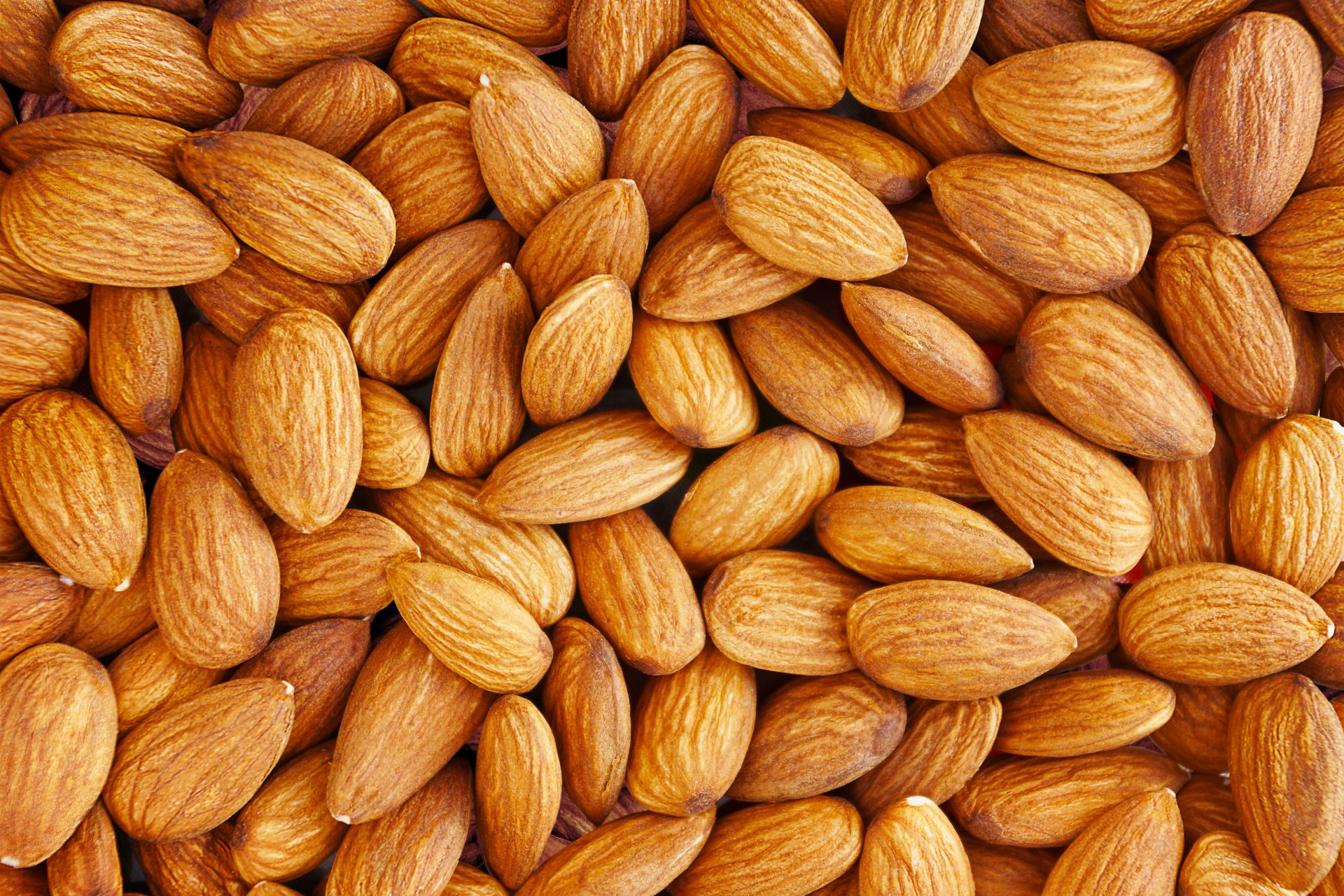
Almonds: ~75mg magnesium and 137mg phosphorus per 30g.
Cashews: ~80mg magnesium and 168mg phosphorus per 30g.
Statista (2024) reports that “the global market for Plant-based meat is projected to increase from US$ 13.6 Billion in 2020 to US$35 Billion in 2027, growing at a CAGR of 14.4%.”
Vitamin E Content
Almonds, provide up to 7.3 mg of Vitamin E per ounce (~50% of the daily recommended intake).
This antioxidant protects cells from oxidative stress
Nuts naturally contain emulsifiers, such as phospholipids, which can help form stable emulsions in products. Adding hydrocolloids (like guar gum or xanthan gum) improves binding and water retention, resulting in better texture and juiciness in nut-based meat analogues.
Nut-Based Innovations
In Greece, the nut-based meat alternative industry is emerging as a promising avenue for small and medium enterprises (SMEs). By leveraging the country's rich agricultural heritage, particularly in nuts like almonds and walnuts, SMEs can innovate and create high-value products. This sector not only supports local farmers by increasing demand for their produce but also fosters entrepreneurship and job creation. As SMEs develop these meat alternatives, they contribute to a sustainable economy, aligning with both national and EU goals for economic growth and environmental stewardship.
The UK plant-based food retail market is one of the largest in Europe, and the value of plant-based food sales grew 9% between 2020 and 2022 to £963.8 million
Good Food Institute Europe (2023)
Milk | €2.2 B | 7% | 19% | 1.3 B | 6% | 20% |
Meat | €2.0 B | 3% | 19% | 846 M | 1% | 21% |
Yoghurt | €515 M | -0.4% | 8% | 255 M | -3% | 10% |
Spreads | €247 M | 13% | 40% | 140 M | 4% | 26% |
Meals | €181 M | 20% | 79% | 72 M | 14% | 71% |
Ice cream | €174 M | 8% | 14% | 57 M | 8% | 15% |
Cheese | €165 M | 4% | 56% | 61 M | 4% | 62% |
Cream | €139 M | 7% | 7% | 109 M | 0% | 1% |
Dessert | €88 M | 6% | 27% | 58 M | 5% | 40% |
Seafood | €43 M | 60% | 326% | 14 M | 67% | 343% |
Total | €5.8 B | 6% | 21% | 2.9 B | 4% | 21% |
Sustainability in Focus
Aligning with the EU Green Deal
The nut-based meat alternative foods championed by Nutty Meat are at the forefront of sustainable food innovation. These products align perfectly with the EU Green Deal's objectives to reduce carbon emissions and promote eco-friendly practices. By choosing nut-based options, consumers support a reduction in greenhouse gases and water usage compared to traditional meat production. This shift not only benefits the environment but also positions Greece as a leader in sustainable food production, attracting investments and partnerships aimed at achieving a greener future.

Greece's Global Reach
With a surge in global demand for plant-based foods, Greece is poised to become a key player in the export market for nut-based meat alternatives. The country's strategic location and established trade networks within the EU provide a solid foundation for expanding its reach. By capitalizing on this trend, Greece can enhance its economic footprint, offering innovative and sustainable food products to international markets. This export potential not only boosts the local economy but also strengthens Greece's reputation as a hub for cutting-edge food technology.
Innovative Export Strategies
To maximize its export potential, Greece is investing in research and development to refine nut-based meat production processes. This focus on innovation ensures that Greek products meet the highest quality standards, appealing to a broad range of international consumers. By collaborating with global partners and leveraging EU trade agreements, Greece can effectively distribute its nut-based alternatives worldwide, tapping into new markets and driving economic growth.
Future Prospects
Looking ahead, Greece's commitment to the nut-based meat alternative industry promises significant economic and environmental benefits. By continuing to support SMEs and invest in sustainable practices, Greece can maintain its competitive edge in the global market. This strategic focus not only enhances food security but also contributes to a resilient and diversified economy, ready to meet the challenges of a rapidly changing world.

Exploring New Horizons
Innovative Nut-Based Meat Alternatives
The development of nut-based meat alternatives presents a groundbreaking opportunity for innovation and research. By leveraging the rich nutritional profile of nuts, we can create products that not only mimic the texture and taste of traditional meats but also offer enhanced health benefits. The potential for innovation lies in the ability to explore diverse nut varieties, each providing unique flavors and nutritional advantages. Research can delve into optimizing production processes, ensuring these alternatives are both sustainable and scalable. Furthermore, the exploration of nut-based proteins can lead to the discovery of new culinary applications, expanding the versatility of plant-based diets. As we push the boundaries of food technology, nut-based meat alternatives could become a staple in the quest for healthier, more sustainable food options.
Collaboration between food scientists, nutritionists, and culinary experts is essential to unlocking the full potential of nut-based meats. By investing in research and development, we can enhance the nutritional profile of these products, making them a viable option for those seeking to reduce their meat consumption without compromising on taste or nutrition. The innovation in this field not only contributes to individual health but also supports global sustainability goals by reducing reliance on animal agriculture. As we continue to innovate, nut-based meat alternatives could play a pivotal role in transforming the future of food.
The Path Forward
Securing Our Future with Plant-Based Foods
Low Glycemic Index
Many nuts have a low glycemic index (GI), meaning they cause a slower, more stable rise in blood sugar levels. This is especially important for people with diabetes, as it helps with blood sugar management. In contrast, processed meats and some other meat alternatives can lead to spikes in blood sugar. (Viguiliouk et al., 2014)
As we face the challenges of a growing global population and environmental concerns, the importance of food security and resilience becomes increasingly evident. Plant-based foods, such as nut-based meat alternatives, offer a sustainable solution to these challenges. By diversifying our food sources, we can reduce the vulnerability of our food systems to external shocks, such as climate change and geopolitical disruptions. Nut-based alternatives not only provide a nutritious option but also contribute to a more resilient food supply chain.
Promoting plant-based foods is crucial for ensuring long-term food security. These foods require fewer resources to produce, have a lower environmental impact, and can be cultivated in a variety of climates. By embracing nut-based meat alternatives, we can support a transition towards more sustainable agricultural practices, ultimately leading to a healthier planet and population. The shift towards plant-based diets is not just a trend but a necessary step in building a resilient and secure food future for generations to come.