Discover the Power of Nut-Based Nutrition
Explore how our innovative meat-free alternatives crafted from dried nuts can transform your diet and enhance your health.
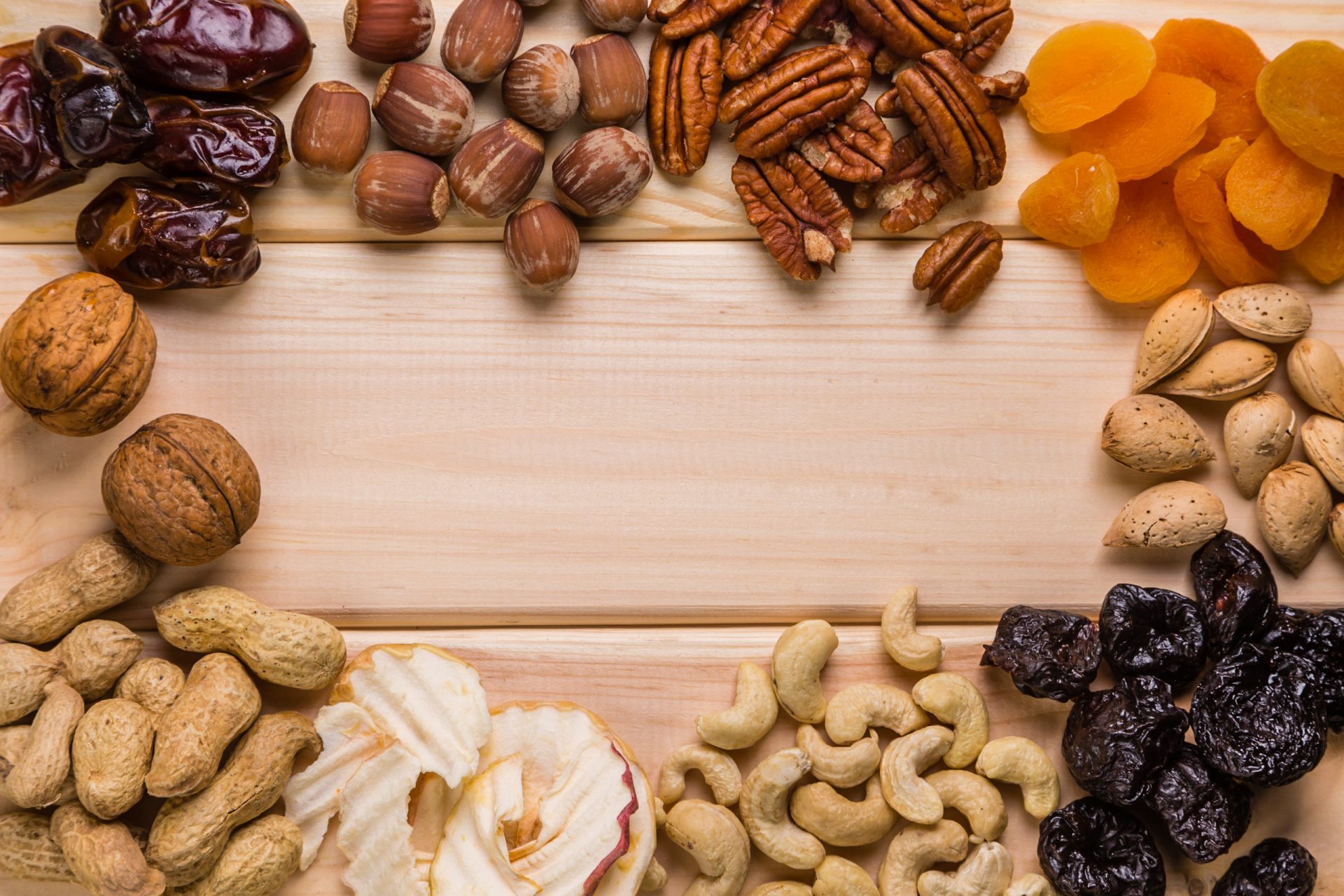
Health Benefits of Nut-Based Alternatives
Why Choose Nut-Based Meat Substitutes?
Nut-based meat alternatives offer a myriad of health benefits, especially for those managing diabetes. These alternatives are rich in unsaturated fats, which are heart-friendly and help in reducing bad cholesterol levels. They are also a great source of plant-based protein, providing essential nutrients without the saturated fats found in animal products. Additionally, the high fiber content in nuts aids in better blood sugar control and supports digestive health. By incorporating these nutritious alternatives into your diet, you can enjoy improved overall well-being and better diabetes management.
Health Benefits of Nut-Based Alternatives
Research Studies
Bongardt, A., & Torres, F. (2022). The European Green Deal: More than an Exit Strategy to the Pandemic Crisis, a Building Block of a Sustainable European Economic Model. Journal of Common Market Studies, 60(1), 170–185.
Bongardt and Torres (2022) argue that the European Green Deal (EGD) goes beyond being an exit strategy for the COVID-19 pandemic, positioning it as a key pillar for a sustainable European economic model. The EGD integrates environmental sustainability with economic growth, emphasizing green investments, technological innovation, and a transition to a low-carbon economy. The authors stress that the EGD is fundamental to long-term EU competitiveness, resilience, and global leadership in sustainability. It also promotes social equity and inclusiveness within this transformation.
Bryant C. J. (2022). Plant-based animal product alternatives are healthier and more environmentally sustainable than animal products. Future Foods, 6, 100174.
In the article "Plant-based animal product alternatives are healthier and more environmentally sustainable than animal products," Bryant (2022) discusses the health and environmental advantages of plant-based alternatives over traditional animal products. The author reviews evidence indicating that plant-based products contain lower levels of cholesterol, saturated fats, and calories while offering equivalent or superior nutritional profiles (e.g., protein, fiber). From an environmental perspective, plant-based foods have a significantly smaller carbon footprint, require less land and water, and contribute less to biodiversity loss. Bryant argues that replacing animal products with plant-based alternatives could lead to improved public health and reduced environmental damage, supporting a more sustainable food system.
Key Themes:
- Nutritional Health: Plant-based alternatives are healthier than traditional animal products, with fewer unhealthy components and often more beneficial nutrients.
- Environmental Impact: The environmental costs of animal agriculture—land use, water use, greenhouse gas emissions, and biodiversity loss—are much higher than those of plant-based alternatives.
- Feasibility: Technological advancements and innovation in plant-based products make these alternatives more accessible and acceptable to consumers, increasing their potential for widespread adoption.
- Sustainability: The transition to plant-based diets is framed as a crucial step in addressing both global health crises (e.g., non-communicable diseases) and environmental challenges, making plant-based products essential for long-term sustainability. Plant-based alternatives could play in transforming the food system toward one that is healthier for both humans and the planet. The article highlights the urgency of accelerating this transition as part of broader efforts to tackle climate change and public health issues.
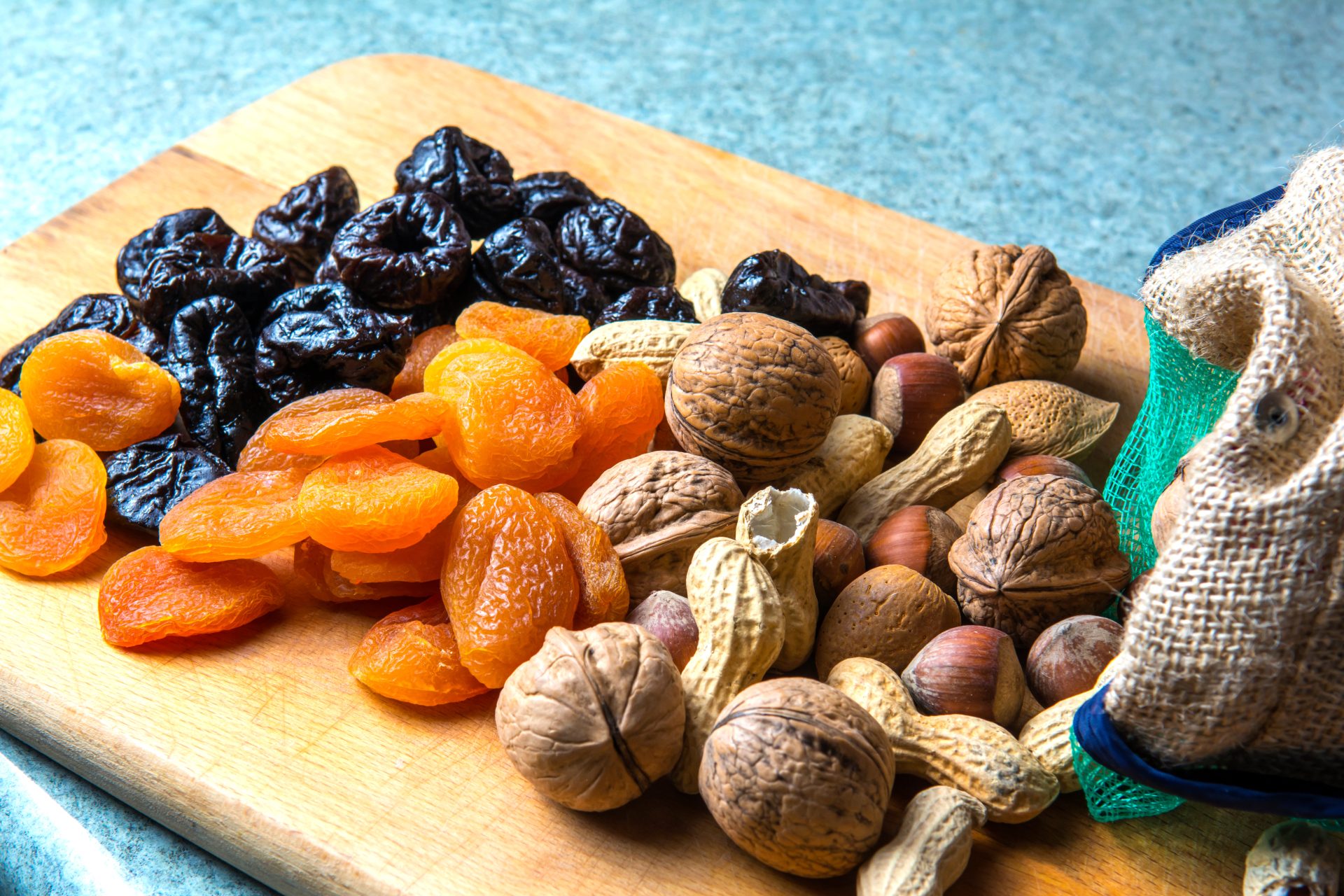
Understanding the Glycemic Index of Nuts
The Role of Low Glycemic Index in Diabetes Management
Nuts have a naturally low glycemic index, making them an excellent choice for maintaining stable blood sugar levels. This is crucial for individuals with diabetes, as it helps prevent spikes in blood glucose. Unlike processed meats, nut-based alternatives provide a slower release of energy, aiding in better glycemic control. The inclusion of nuts in your diet can lead to improved insulin sensitivity and a reduction in HbA1c levels, contributing to a healthier lifestyle and effective diabetes management.
Heart Health Benefits
The Power of Healthy Fats
Nuts are a powerhouse of unsaturated fats, particularly monounsaturated and polyunsaturated fats, which are vital for maintaining heart health. These healthy fats help lower bad cholesterol levels while boosting good cholesterol, reducing the risk of cardiovascular diseases. Incorporating nuts into your diet can significantly enhance heart function and reduce the likelihood of heart-related complications.
For individuals managing diabetes, the inclusion of nuts in their diet can be particularly beneficial. The healthy fats found in nuts not only support heart health but also aid in maintaining stable blood sugar levels, making them an excellent choice for a balanced diet.
Protein Powerhouse
Nuts as a Protein Source
Nuts are an exceptional source of plant-based protein, offering a complete profile of essential amino acids necessary for muscle maintenance and overall health. Unlike animal proteins, nuts provide these benefits without the added saturated fats, making them an ideal choice for those seeking healthier protein alternatives.
For people with diabetes, maintaining muscle mass is crucial, and nuts provide a nutritious way to achieve this. The protein content in nuts supports muscle repair and growth, contributing to better health outcomes and improved quality of life.

Fiber for Health
The Role of Fiber in Nuts
Nuts are rich in dietary fiber, which plays a crucial role in regulating blood sugar levels and promoting digestive health. The fiber content in nuts slows down sugar absorption, helping to maintain stable blood glucose levels, which is essential for diabetes management.
In addition to blood sugar control, the fiber in nuts aids in digestion and supports weight management by promoting a feeling of fullness. This makes nuts a valuable addition to any diet focused on health and wellness, particularly for those managing diabetes.
Essential Nutrients in Nuts
Vitamins and Minerals in Dried Nuts
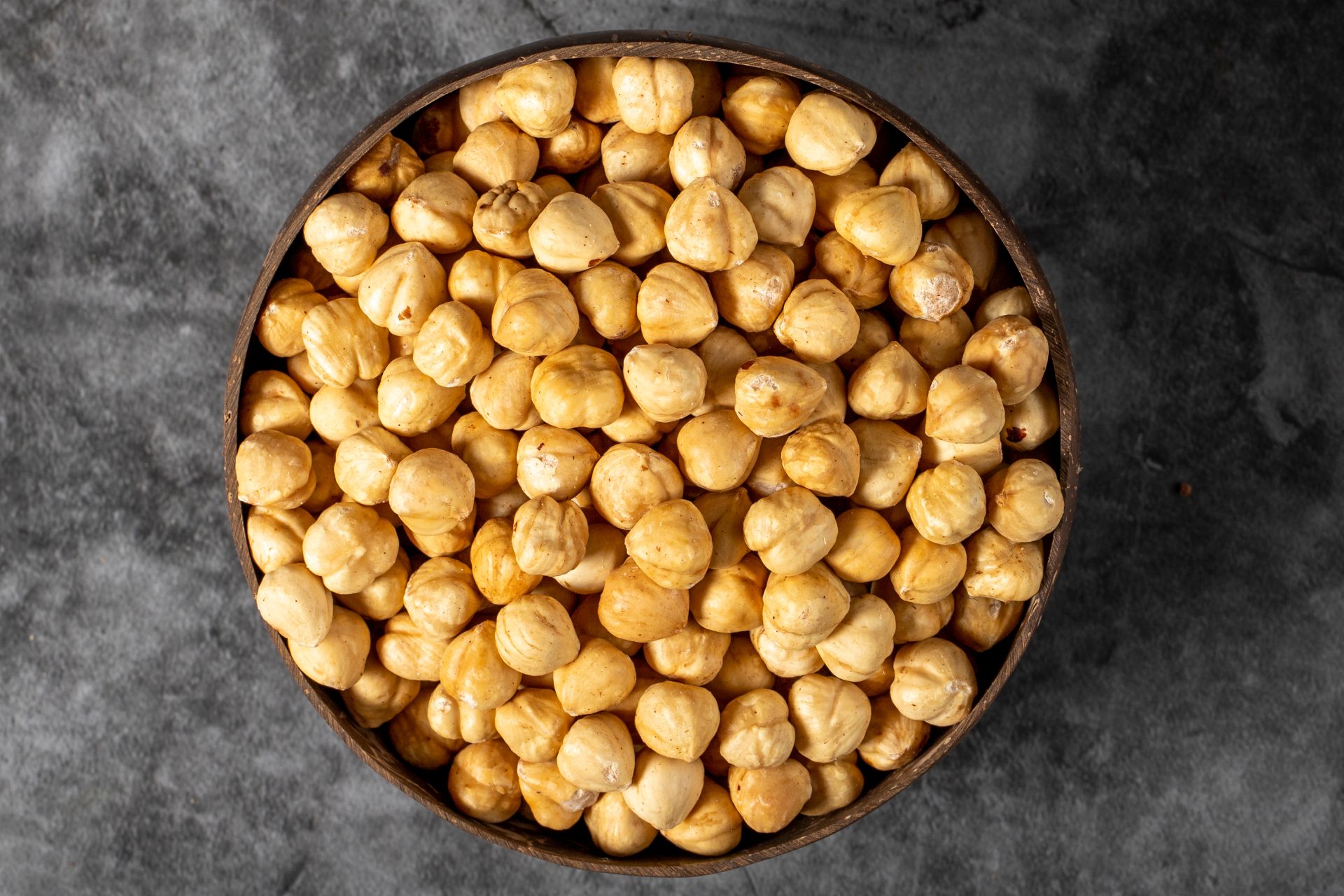
Dried nuts are a powerhouse of essential vitamins and minerals that contribute to overall health. They are rich in vitamin E, a potent antioxidant that helps protect cells from oxidative damage. Nuts also contain B vitamins, which are crucial for energy production and brain health. Minerals such as magnesium and potassium found in nuts support heart health and help regulate blood pressure. Additionally, zinc and selenium in nuts boost the immune system and promote healthy skin.
Incorporating dried nuts into your diet can provide a significant portion of your daily nutrient requirements. The presence of iron in nuts aids in oxygen transport and energy metabolism, while calcium supports bone health. Copper and manganese in nuts play a role in antioxidant defense and bone formation. These nutrients work synergistically to enhance bodily functions and maintain optimal health.
For individuals with specific dietary needs, nuts offer a versatile and nutrient-dense option. The high content of healthy fats, particularly omega-3 fatty acids in walnuts, contributes to cardiovascular health. Phosphorus in nuts supports bone and teeth health, while folate is essential for DNA synthesis and repair. By including a variety of nuts in your diet, you can enjoy a wide range of health benefits.

Anti-Inflammatory Benefits of Nuts
Nuts and Chronic Inflammation
Nuts are renowned for their anti-inflammatory properties, which can significantly impact chronic inflammation, a common issue in diabetes. The presence of antioxidants such as polyphenols in nuts helps neutralize free radicals, reducing oxidative stress and inflammation. Omega-3 fatty acids, particularly found in walnuts, are known to decrease inflammatory markers in the body, contributing to better health outcomes for individuals with diabetes.
Impact of Tree Nuts on Diabetes Management
A systematic review of clinical trials has highlighted the positive effects of tree nuts on glycemic control in individuals with type 2 diabetes. The studies demonstrate that regular consumption of nuts can lead to significant reductions in blood glucose levels and HbA1c, a marker of long-term blood sugar control. These findings suggest that nuts can be a valuable component of a diabetes-friendly diet, helping to manage blood sugar levels effectively.
The research underscores the role of nuts in improving insulin sensitivity and reducing the risk of diabetes-related complications. By incorporating a variety of tree nuts into their diet, individuals with diabetes can benefit from enhanced metabolic health and better glycemic control. This evidence supports the inclusion of nuts as part of a balanced diet for those seeking to manage diabetes effectively.
Discover the Health Benefits of Nut-Based Alternatives
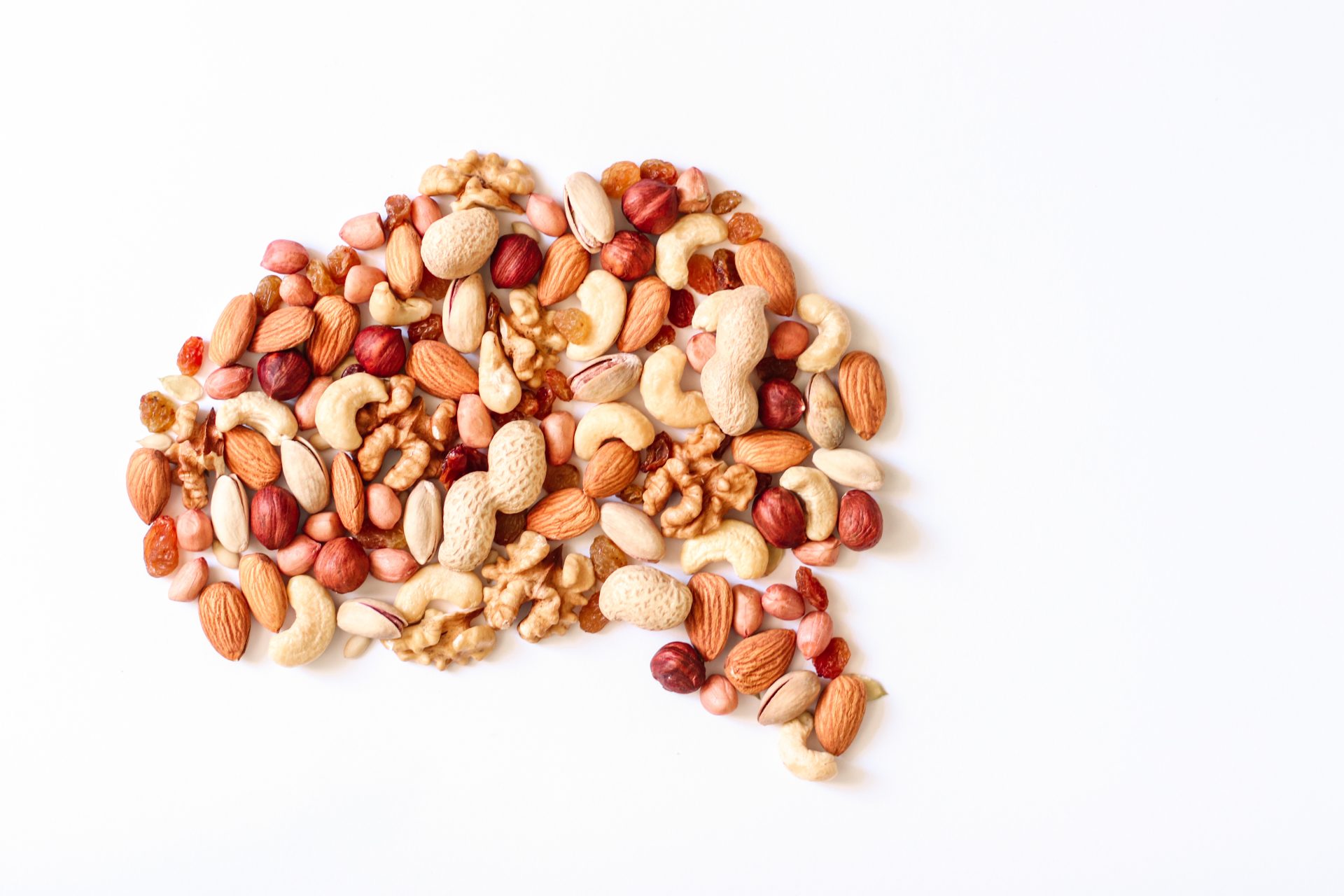
Enhance your diet with our nutritious, meat-free options made from dried nuts. Experience better blood sugar control, heart health, and overall wellness. Make the switch today for a healthier tomorrow!