Discover the Art of Nut-Based Meat Creation
Explore innovative techniques to craft delicious, fibrous meat alternatives using nuts.
Challenges in Nut-Based Meat Textures
Overcoming Texture Barriers
Replicating the fibrous texture of meat using nuts is a complex challenge. Nuts lack the natural fibers found in animal proteins, making it difficult to achieve the same mouthfeel. The absence of connective tissues in nuts means that alternative methods must be employed to mimic the chewiness and structure of traditional meats. This often involves combining nuts with other plant-based proteins and utilizing advanced processing techniques to create a convincing texture.
Furthermore, maintaining the balance between flavor and texture is crucial. Nuts have distinct flavors that can overpower the desired taste profile of meat substitutes. Therefore, achieving the right blend of ingredients and processing methods is essential to ensure that the final product not only mimics the texture but also delivers a satisfying taste experience.
Creating Fibrous Textures with Extrusion
Extrusion is a transformative method in the production of nut-based meat alternatives. By texturizing proteins through extrusion, a fibrous structure is formed, closely resembling the texture of animal meat. This process involves pushing a mixture of ground nuts and complementary proteins, such as pea or soy, through an extruder. The high pressure and temperature conditions align the proteins into a layered, fibrous matrix.
This technique allows for the creation of various meat-like forms, such as strips or chunks, that can mimic the texture of chicken or pork. The extrusion process not only enhances the texture but also helps in binding flavors, resulting in a more cohesive and palatable product. As a result, extrusion is a key method in advancing the quality and appeal of nut-based meat alternatives.
Hydration and Shaping
Crafting Juicy Nut-Based Meats
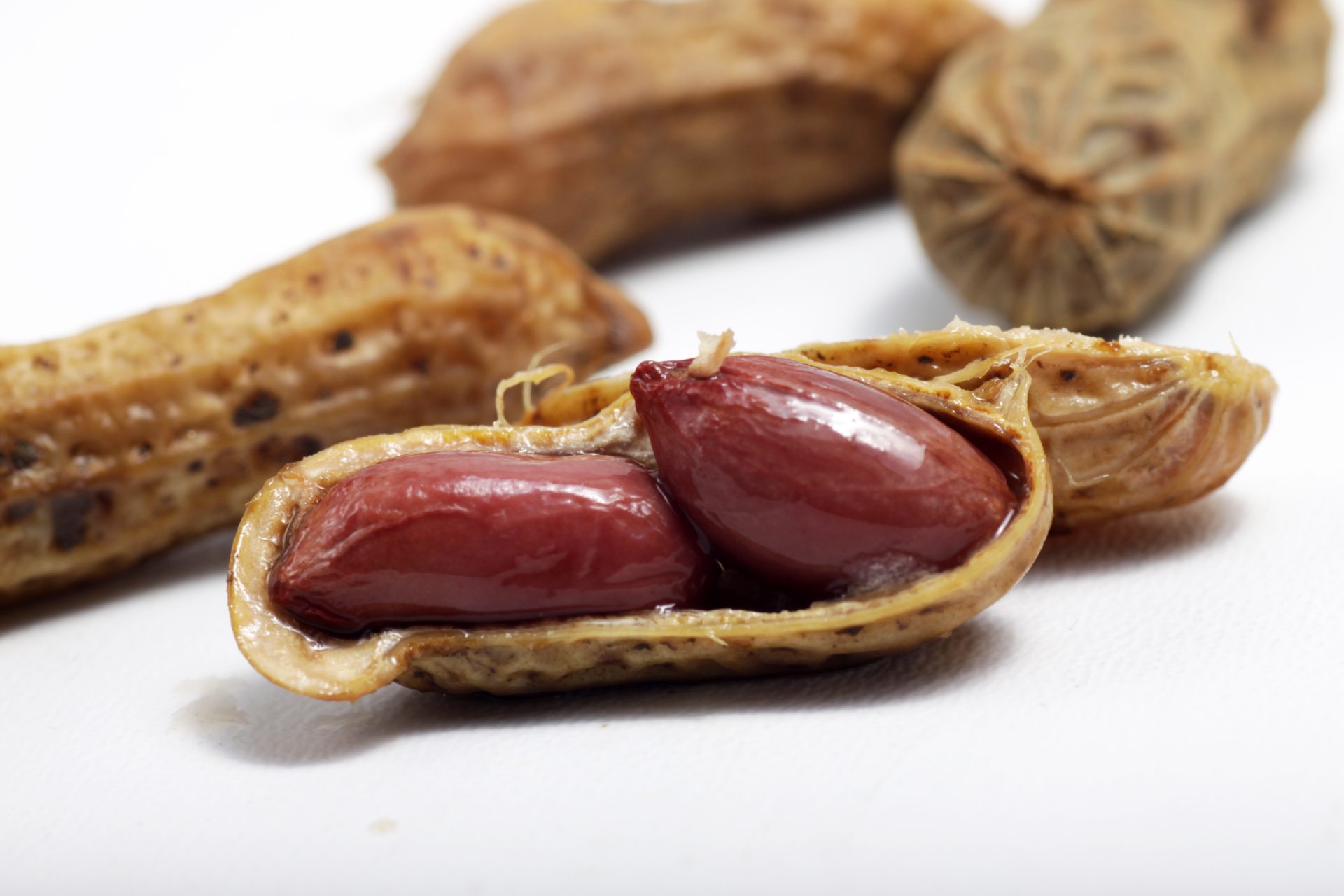
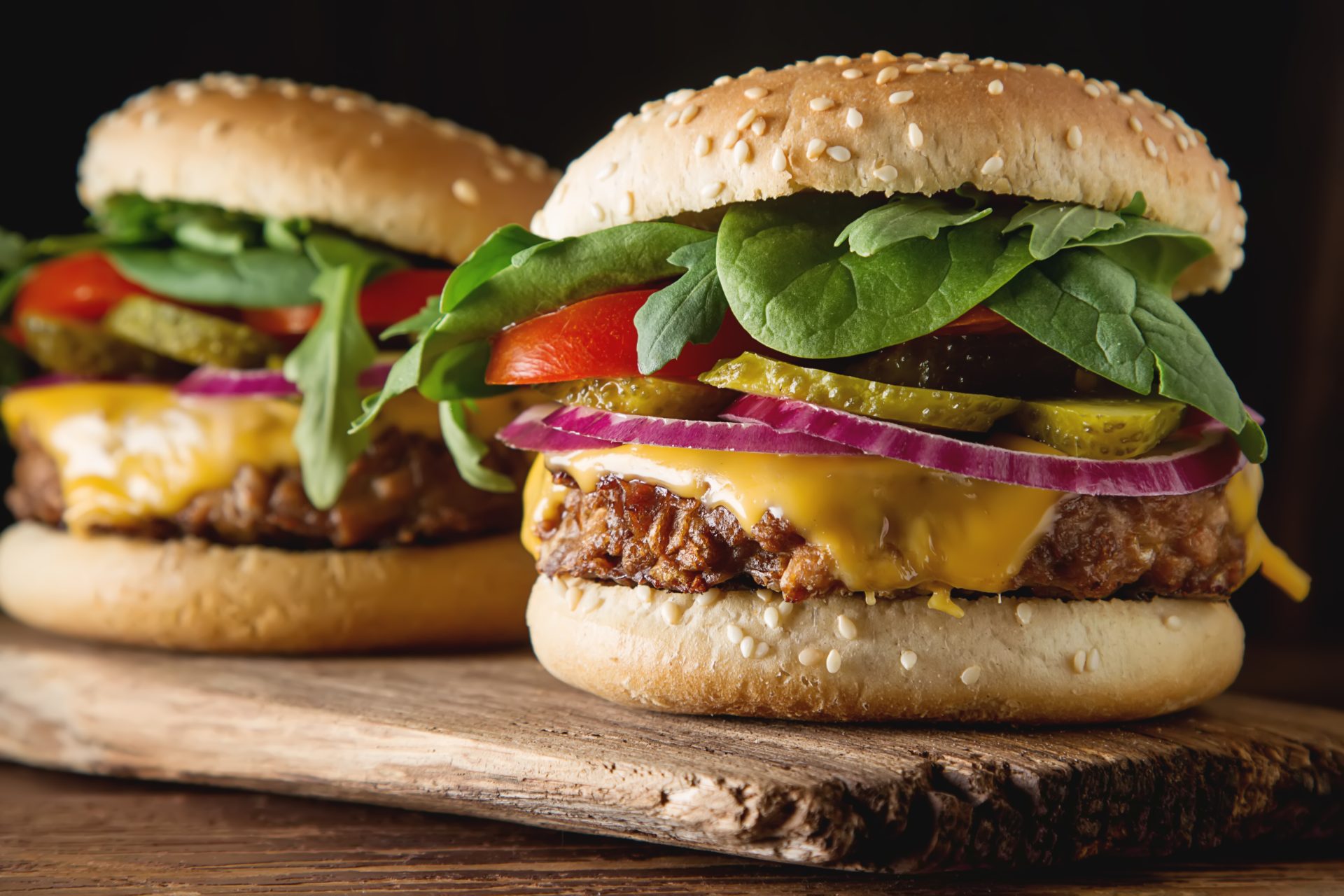
To achieve a succulent texture in nut-based meat alternatives, the hydration and shaping process is crucial. Initially, the nut mixture is carefully hydrated, transforming it into a pliable dough-like consistency. This step is essential for creating a juicy texture that closely resembles traditional meats. Once hydrated, the mixture can be shaped into various forms such as burgers, sausages, or meatballs. This process not only enhances the texture but also allows for versatility in culinary applications, making it a delightful choice for those seeking plant-based options.
Emulsification in Nut-Based Meats
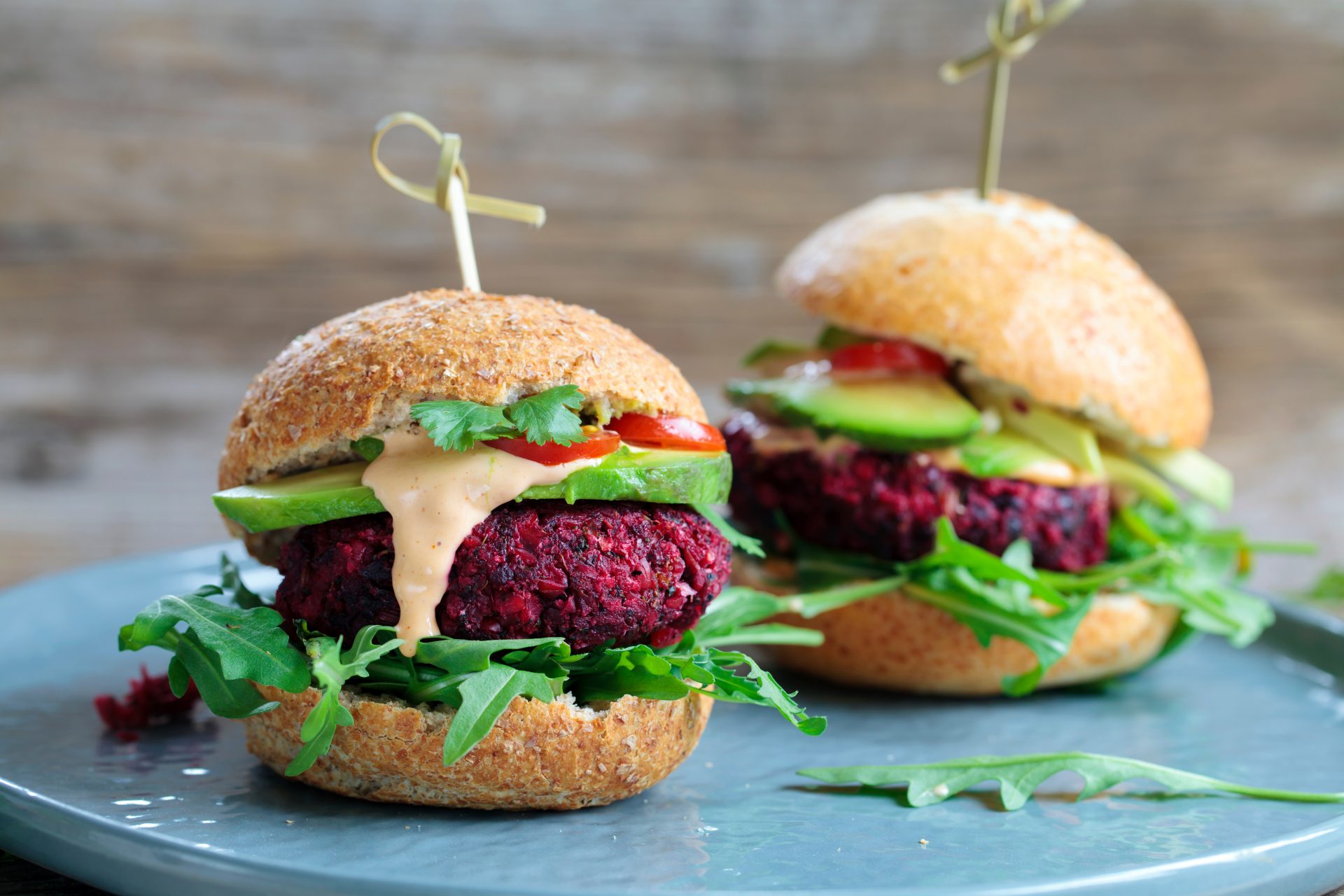
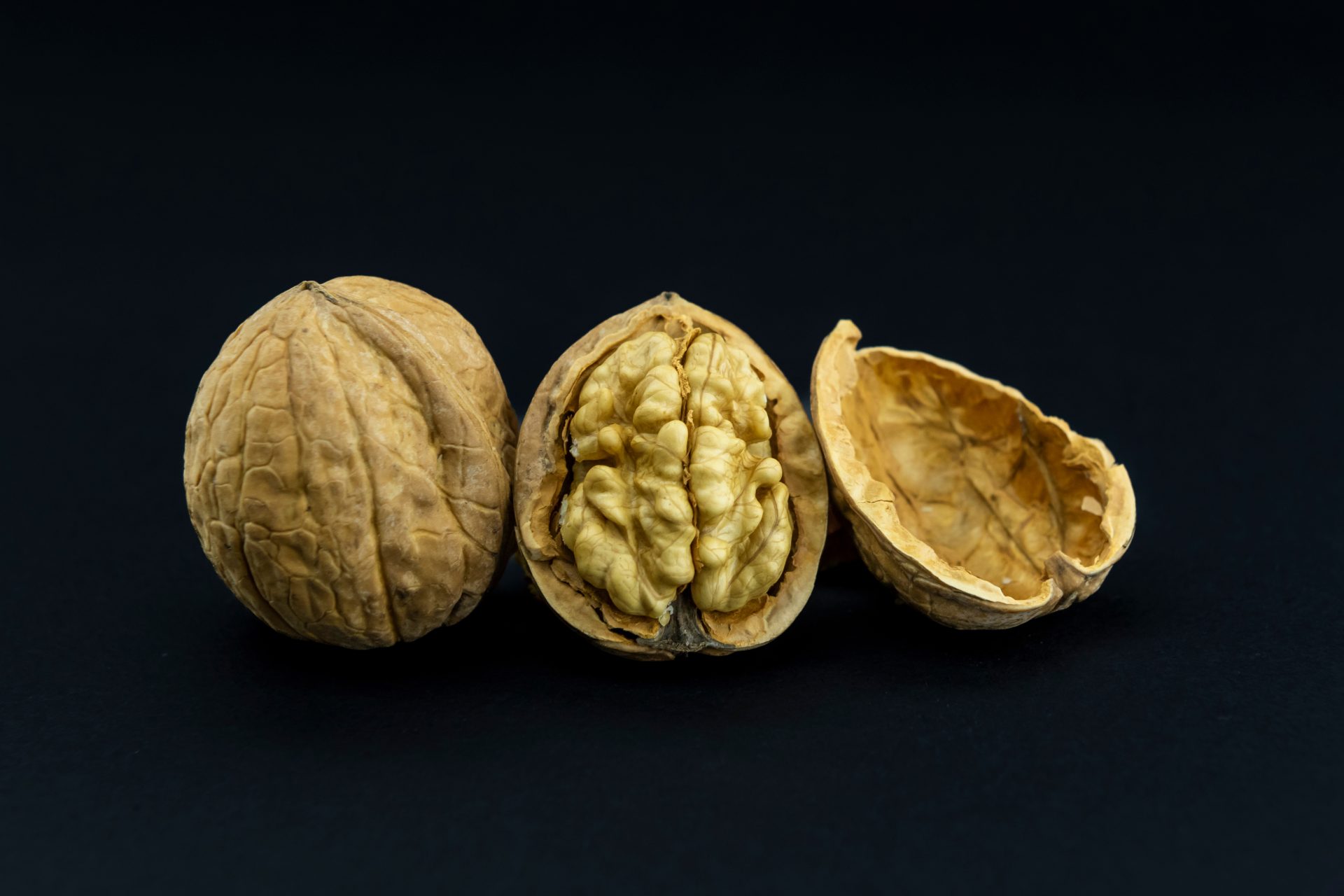
Nuts, particularly those rich in natural fats like almonds and cashews, play a pivotal role in the emulsification process of nut-based meats. Acting as natural emulsifiers, these nuts help create a smooth and cohesive mixture that mimics the texture of ground meat. The emulsification process binds the ingredients together, ensuring a consistent texture throughout. This technique not only enhances the mouthfeel but also adds a layer of juiciness, making nut-based meats an appealing alternative for those seeking plant-based options without compromising on texture.
Understanding Emulsification
Emulsification is key to achieving the desired texture in nut-based meat alternatives. By leveraging the natural fats in nuts, we can create a mixture that closely resembles traditional ground meat. This process ensures that the final product is both flavorful and satisfying.
Benefits of Emulsification
The emulsification process not only enhances texture but also improves the overall taste of nut-based meats. By binding ingredients effectively, it ensures a uniform distribution of flavors and a juicy bite.
Emulsification Techniques
Various techniques can be employed to achieve effective emulsification in nut-based meats. These methods ensure that the final product is not only delicious but also has the desired texture and consistency.
Discover More Nutty Delights