Discover the Future of Sustainable Eating
Nutty Meat: A Greener Choice for a Healthier Planet
Join the movement towards a more sustainable future with Nutty Meat. Our plant-based alternatives offer a delicious way to reduce your environmental impact.
Eco-Friendly Innovation
Our nut-based products are crafted to minimize environmental impact while maximizing flavor and nutrition.
Healthier Choices
Enjoy the benefits of a plant-based diet with our nutritious and delicious nut-based alternatives.
Sustainable Practices
We prioritize sustainable farming methods to ensure a healthier planet for future generations.
Why Choose Nutty Meat?
The Environmental Benefits of Nut-Based Alternatives
Transitioning to nut-based alternatives offers significant environmental advantages over traditional livestock farming. By choosing Nutty Meat, you contribute to lower greenhouse gas emissions, reduced water usage, and less land consumption. Our products are designed to support a sustainable lifestyle, helping to protect biodiversity and reduce pollution. Embrace a diet that's kinder to the planet without compromising on taste or nutrition.

Environmental Advantages of Nutty Meat
Nutty Meat provides a sustainable solution to the environmental challenges posed by traditional meat production. Our nut-based alternatives are designed to reduce your ecological footprint.
Research Studies
Edwards K, Kwaw I, Matud J, Kurtz I (1999) Effect of pistachio nuts on serum lipid levels in patients with moderate hypercholesterolemia. J Am Coll Nutr 18(3):229–232.
In their 1999 study, Edwards, Kwaw, Matud, and Kurtz examined the impact of pistachio nut consumption on serum lipid levels in individuals with moderate hypercholesterolemia. The study aimed to assess whether pistachios could positively influence cholesterol levels and reduce the risk of cardiovascular disease. Participants consumed pistachios as part of their diet, and the results showed a significant decrease in total cholesterol and LDL (low-density lipoprotein), known as "bad" cholesterol. These findings suggest that pistachios can be an effective dietary intervention for improving lipid profiles and promoting heart health.
Study Design:
Participants: Patients with moderate hypercholesterolemia (elevated cholesterol levels).
Intervention: Regular consumption of pistachios within a controlled dietary setting.
Duration: Not explicitly mentioned but typical studies of this nature last several weeks or months to observe significant changes.
Key Results:
Total Cholesterol Reduction: The study observed a significant decrease in total cholesterol levels in participants who included pistachios in their diet. This is a key marker in managing cardiovascular health.
LDL Cholesterol Decrease: LDL cholesterol, often referred to as "bad" cholesterol because of its association with arterial plaque buildup, also decreased notably. Lower LDL levels are crucial in reducing the risk of heart disease.
Potential Mechanism: While the study did not delve into detailed mechanisms, nuts like pistachios are known to contain beneficial fats (monounsaturated and polyunsaturated fats), plant sterols, and fiber, all of which contribute to cholesterol-lowering effects.
Cardiovascular Health Implications: The findings support the idea that pistachios, as part of a balanced diet, could be recommended for individuals looking to manage their cholesterol levels and overall heart health.
The study adds to the growing body of evidence supporting the health benefits of nuts, particularly pistachios, for managing cholesterol levels. This dietary approach could be part of broader strategies to mitigate cardiovascular risks in patients with elevated cholesterol. The research suggests that regular consumption of pistachios may offer a simple and natural way to improve lipid profiles without relying solely on medication.
Knowledge Exchange Forum
Kargas, A., Gialeris, E., Komisopoulos, F., Lymperiou, A., & Salmon, I. (2023). Digital Maturity and Digital Transformation Strategy among Greek Small and Medium Enterprises. Administrative Sciences, 13(11), 236.
In their 1999 study, Edwards, Kwaw, Matud, and Kurtz examined the impact of pistachio nut consumption on serum lipid levels in individuals with moderate hypercholesterolemia. The study aimed to assess whether pistachios could positively influence cholesterol levels and reduce the risk of cardiovascular disease. Participants consumed pistachios as part of their diet, and the results showed a significant decrease in total cholesterol and LDL (low-density lipoprotein), known as "bad" cholesterol. These findings suggest that pistachios can be an effective dietary intervention for improving lipid profiles and promoting heart health.
Study Design:
Participants: Patients with moderate hypercholesterolemia (elevated cholesterol levels).
Intervention: Regular consumption of pistachios within a controlled dietary setting.
Duration: Not explicitly mentioned but typical studies of this nature last several weeks or months to observe significant changes.
Key Results:
Total Cholesterol Reduction: The study observed a significant decrease in total cholesterol levels in participants who included pistachios in their diet. This is a key marker in managing cardiovascular health.
LDL Cholesterol Decrease: LDL cholesterol, often referred to as "bad" cholesterol because of its association with arterial plaque buildup, also decreased notably. Lower LDL levels are crucial in reducing the risk of heart disease.
Potential Mechanism: While the study did not delve into detailed mechanisms, nuts like pistachios are known to contain beneficial fats (monounsaturated and polyunsaturated fats), plant sterols, and fiber, all of which contribute to cholesterol-lowering effects.
Cardiovascular Health Implications: The findings support the idea that pistachios, as part of a balanced diet, could be recommended for individuals looking to manage their cholesterol levels and overall heart health.
The study adds to the growing body of evidence supporting the health benefits of nuts, particularly pistachios, for managing cholesterol levels. This dietary approach could be part of broader strategies to mitigate cardiovascular risks in patients with elevated cholesterol. The research suggests that regular consumption of pistachios may offer a simple and natural way to improve lipid profiles without relying solely on medication.
Lower Greenhouse Gas Emissions
Our products generate significantly fewer emissions compared to livestock farming, helping to combat climate change.
Reduced Water Usage
Nut-based alternatives require less water than meat production, conserving this vital resource.
Less Land Usage
By using less land for production, we help preserve natural habitats and reduce deforestation.
Environmental Impact Statistics
Nut farming uses approximately 80% less water than beef production, making it a more sustainable choice.
Water Consumption
Land Utilization
Carbon Footprint
Biodiversity Support
Biodiversity and Nut Farming
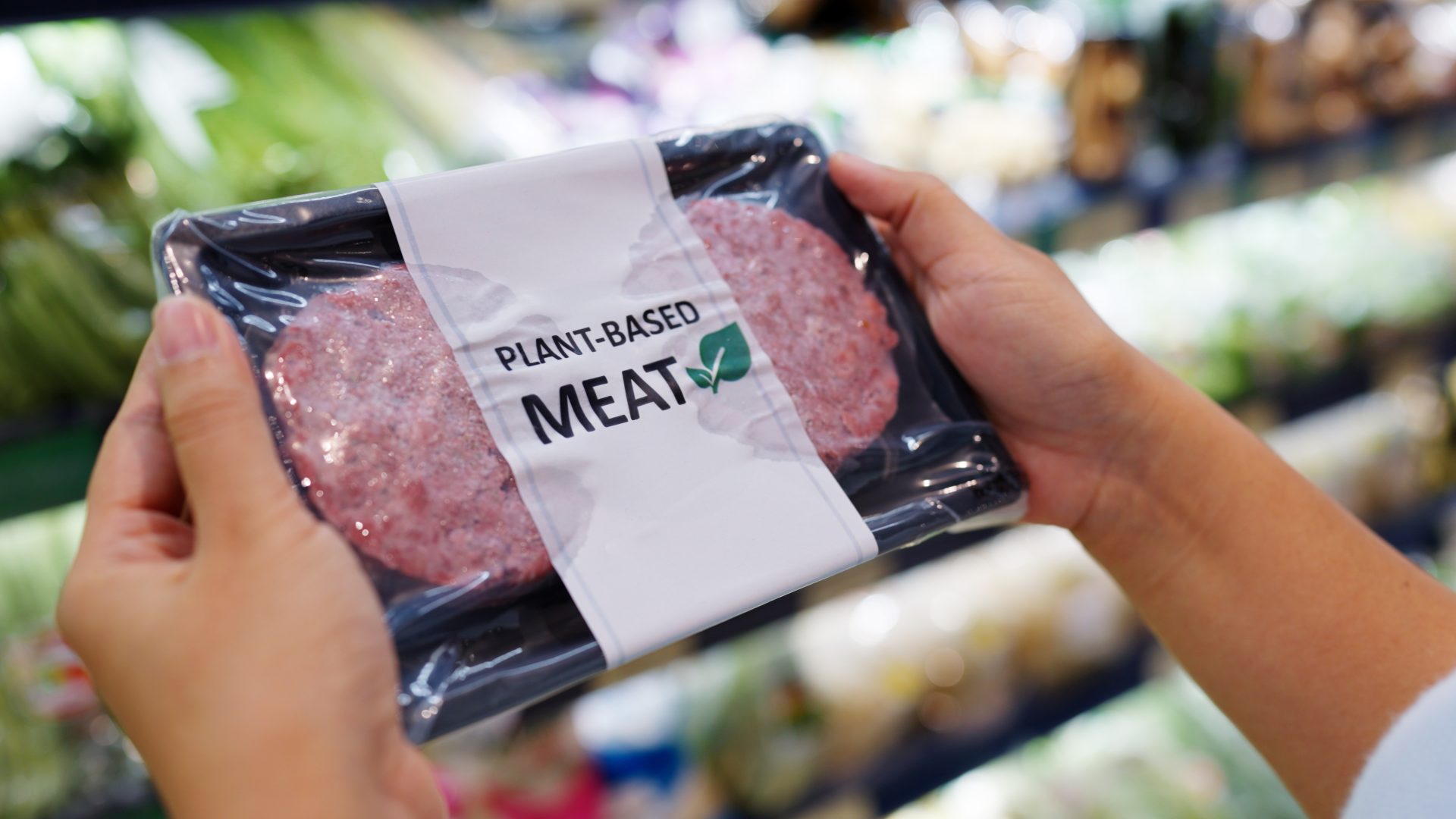
Meat production often leads to significant biodiversity loss due to deforestation and habitat destruction. In contrast, nut farming can enhance biodiversity through agroforestry practices, which integrate tree cultivation with other crops. This approach not only preserves natural habitats but also supports various species, promoting a balanced ecosystem.
Healthier Alternatives
Environmental Benefits of Nut-Based Products
Nut-based alternatives to meat eliminate the need for antibiotics and hormones, which are prevalent in livestock farming. This reduction helps prevent the spread of antibiotic-resistant bacteria and minimizes environmental pollution. By choosing nut-based products, we contribute to a healthier ecosystem and reduce our impact on the planet.
Moreover, nut farming generates significantly less waste compared to livestock farming. The byproducts of nut cultivation can often be repurposed as compost or biofuel, further enhancing their environmental benefits. Embracing nut-based alternatives is a step towards a more sustainable future.
Waste Reduction and Pollution Control
Nut farming significantly reduces waste and pollution when compared to traditional livestock farming. Unlike livestock operations, which produce large amounts of manure and other pollutants, nut farming generates minimal waste. The byproducts from nut cultivation can often be repurposed as compost or biofuel, contributing to a cleaner environment.
Additionally, nut farming does not involve the use of antibiotics or hormones, which are common in livestock farming and can lead to environmental contamination. This natural approach helps maintain healthier ecosystems and reduces the risk of water pollution from agricultural runoff.

Discover the Benefits of Nut-Based Alternatives
Join us in making a positive impact on the environment by exploring nut-based alternatives. These products not only offer delicious and nutritious options but also contribute to a more sustainable future. By choosing nut-based foods, you help reduce greenhouse gas emissions, conserve water, and protect biodiversity.
Visit Nutty Meat today to learn more about how you can make a difference with your food choices. Together, we can create a healthier planet for future generations.